



 English
2026.04.01
In the realm of indoor LED displays, COB and SMD stand out as the two dominant packaging technologies. Each leverages a distinct technical approach, making them suitable for different application scenarios. A common dilemma for industry professionals and buyers is determining which packaging technology is better suited for indoor applications. This article offers a professional comparative analysis across key dimensions—including packaging principles, thermal performance, display effects, and cost—to guide your selection process.
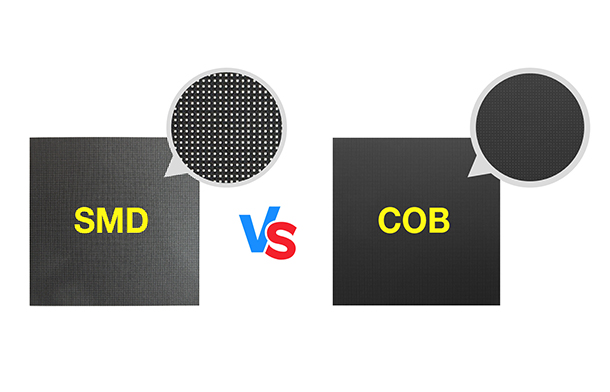
The fundamental difference between the two lies in their packaging methodology.
SMD (Surface-Mount Device): This technology involves encapsulating individual LED chips into "lamp beads," which are then mounted onto a PCB (Printed Circuit Board) using a pick-and-place machine. As a mature and widespread technology, SMD is currently the market mainstream.
COB (Chip-on-Board): This is a more innovative, chip-level packaging technique. It bypasses the lamp bead stage by directly mounting bare LED chips onto the PCB, which are then protected by a layer of resin. This creates an integrated, uniform surface light source and presents a higher technological barrier.
Thermal performance is a critical factor that directly impacts a display's stability and lifespan.
SMD: The individual housing of SMD lamp beads means heat must travel through this casing to reach the PCB, resulting in a longer and less efficient dissipation path. This makes them prone to luminance decay during prolonged, high-brightness operation.
COB: In contrast, COB chips are in direct contact with the PCB. This provides a shorter dissipation path over a larger surface area, leading to lower thermal resistance. Consequently, COB displays typically consume 15-20% less power than their SMD counterparts, effectively reducing the chip's junction temperature and extending their lifespan to an impressive 8-10 years.
Visual quality is the paramount concern for indoor applications.
SMD: As a point light source, SMD displays can exhibit noticeable pixelation or graininess at close viewing distances. Their viewing angle is typically between 110-140 degrees, and they are susceptible to color shifts when viewed from the side, as well as potential moiré patterns.
COB: Functioning as a surface light source, COB technology delivers a smooth, uniform image with no graininess. It boasts a superior contrast ratio (often exceeding 20,000:1), an expanded viewing angle of up to 170 degrees, and higher color fidelity. This creates a visual experience much closer to that of an LCD screen, making it ideal for close-up viewing scenarios.
Cost is a crucial factor in the decision-making process.
SMD: SMD technology benefits from a mature and well-established supply chain, resulting in 30-50% lower procurement and manufacturing costs compared to COB. Furthermore, individual lamp beads can be replaced, making maintenance convenient and inexpensive.
COB: COB's complex packaging process demands advanced equipment and technical expertise, leading to higher initial investment and challenges in mass production. If a module is damaged, it often needs to be returned to the factory for a full replacement, resulting in a longer and more expensive repair cycle. However, due to their higher reliability, COB displays generally have lower long-term maintenance costs.
In summary, there is no single "ultimate" choice between COB and SMD.
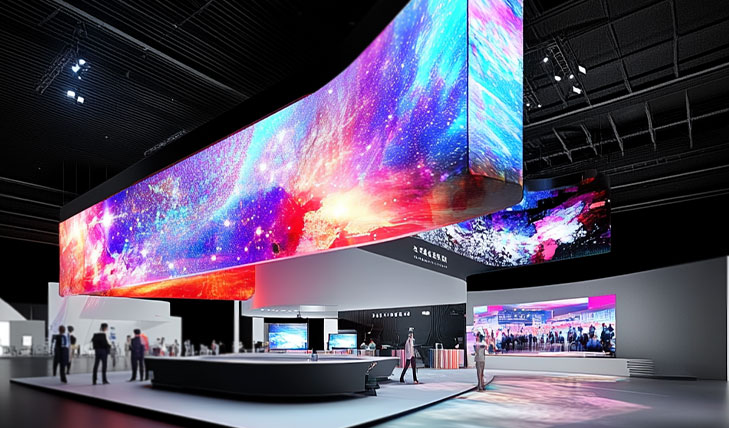
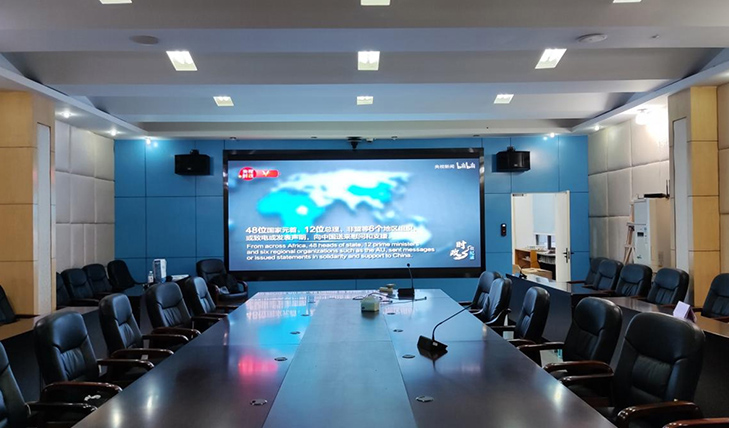
SMD is the more cost-effective solution for general indoor applications with limited budgets and longer viewing distances where high value is a priority.
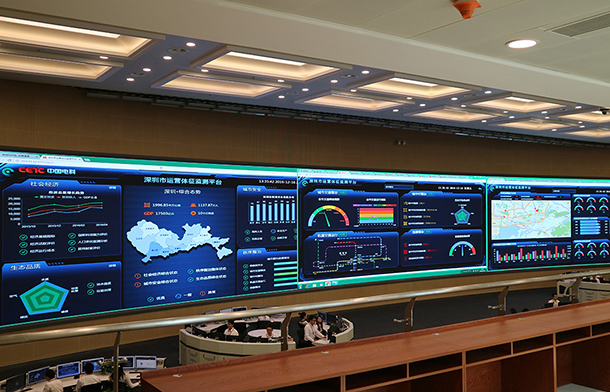
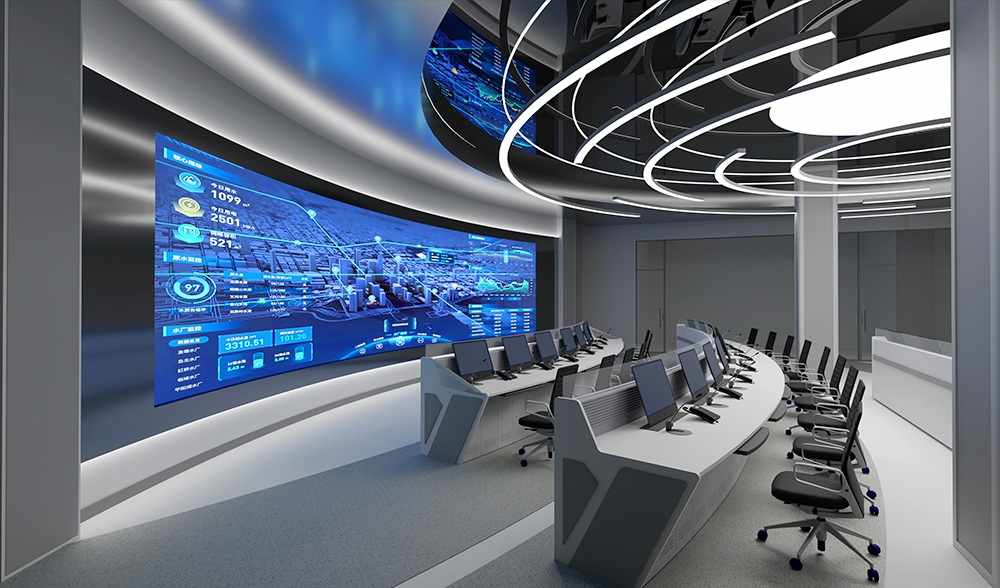
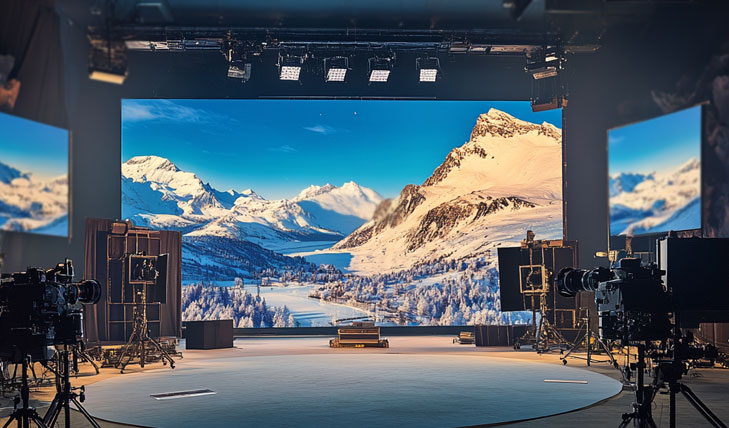
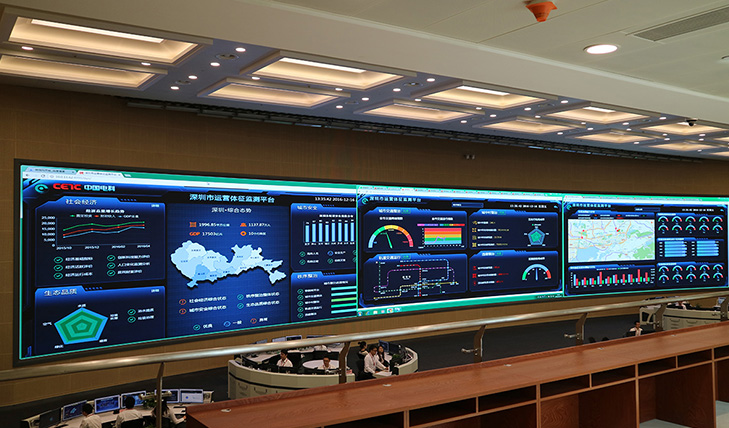
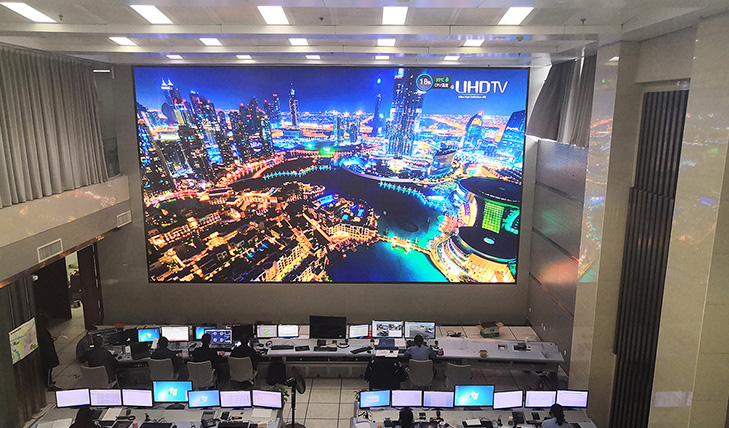
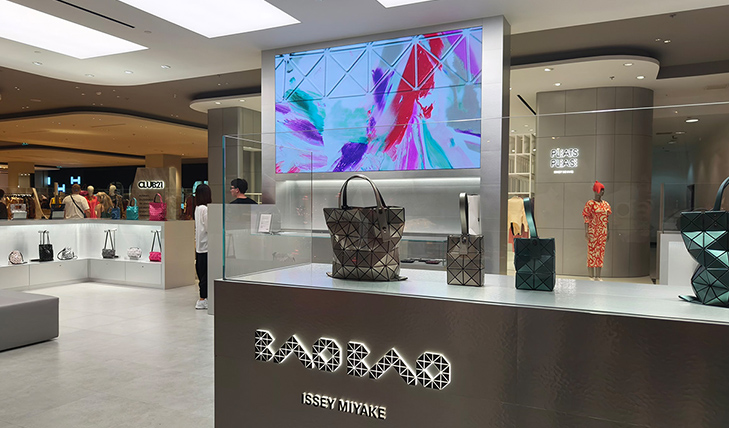
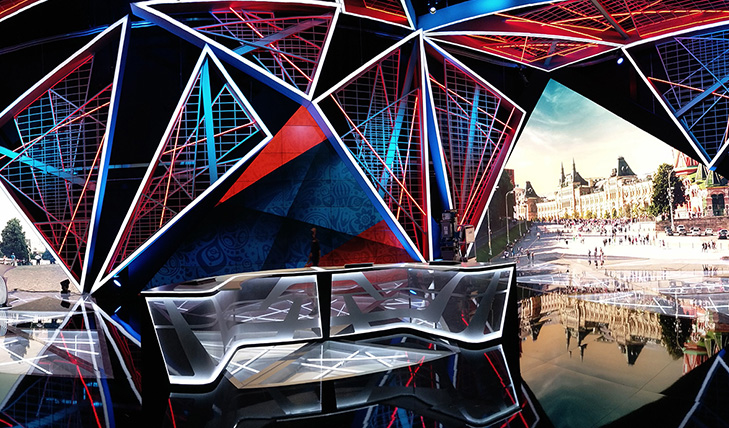
COB, however, is the superior choice for high-end environments like premium showrooms, command centers, and broadcast studios, where exceptional display quality and stability are non-negotiable.
As the technology matures and manufacturing scales up, the cost of COB is gradually decreasing, positioning it as a key future trend. Nevertheless, SMD continues to hold a significant market share. The two technologies will likely coexist and complement each other, collectively driving the growth and innovation of the indoor display market.


 中文
中文 日本語
日本語 Русский
 Español
 Deutsch
 français
 اللغة العربية