




 English
2026.04.10
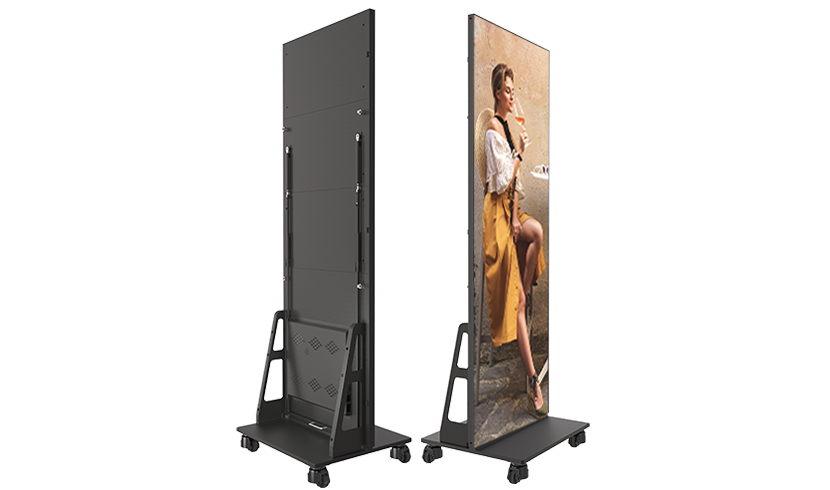
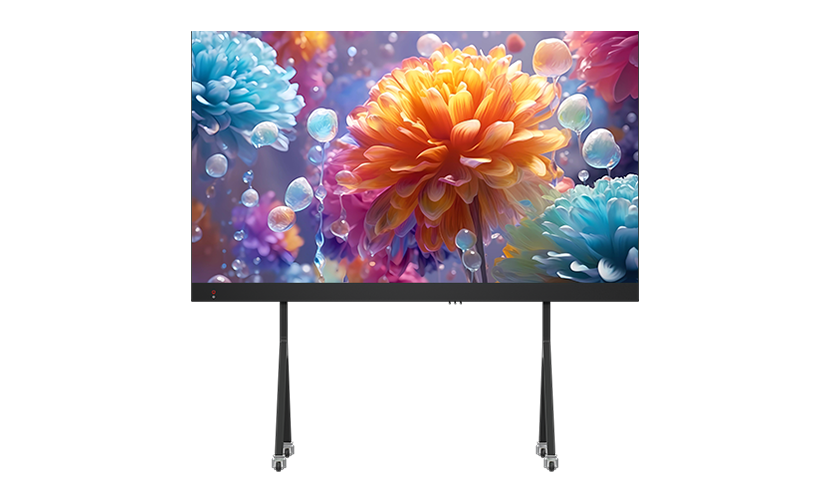
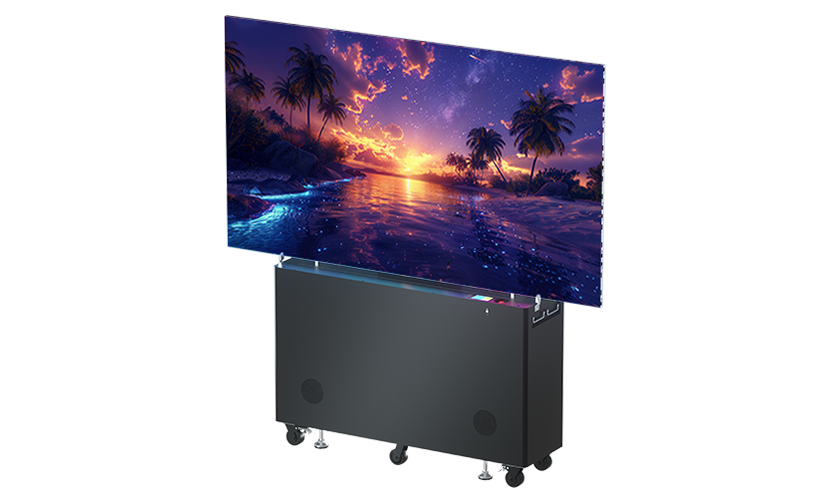
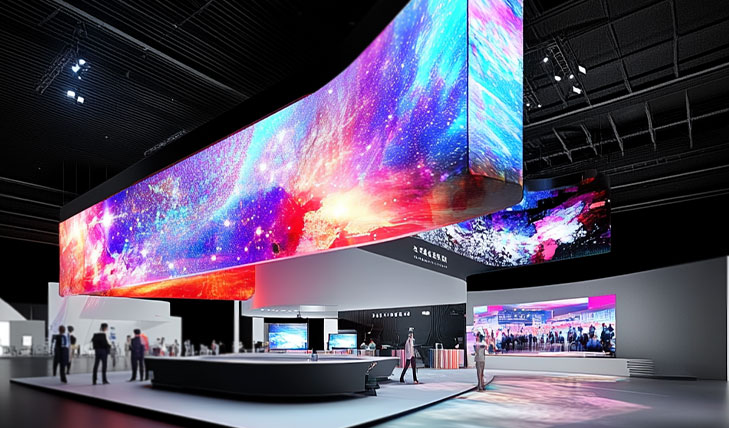
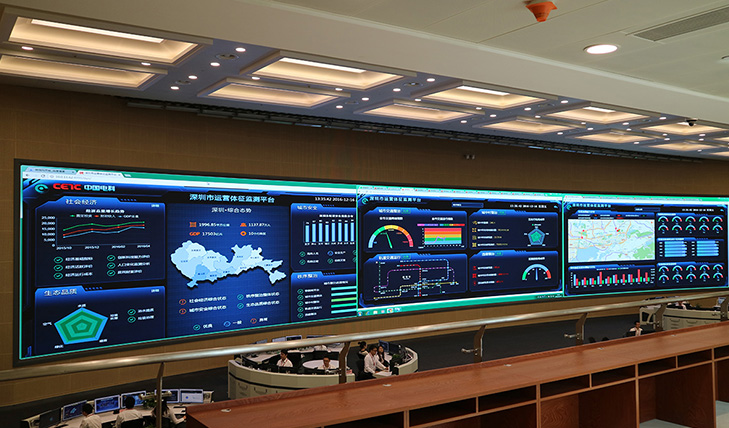
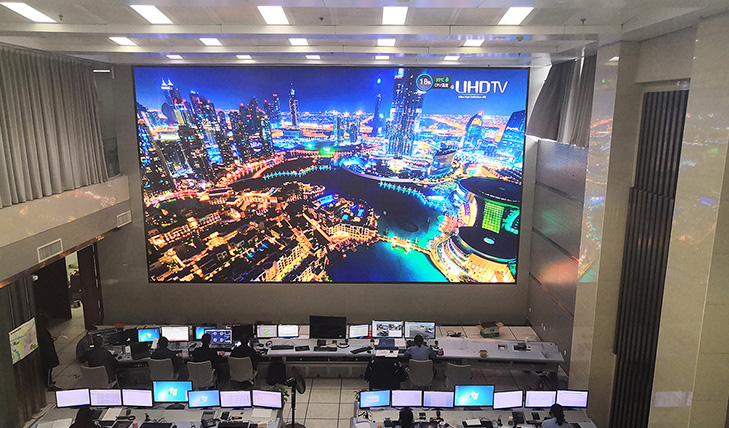
Thanks to technical advantages like high-definition visuals, high brightness, energy efficiency, and flexible control, LED poster displays have become integral to various industries, serving as essential tools for both outdoor promotion and indoor showcases. When selecting a display, clients often consider not only its suitability for a specific application but also the key technical specifications required for different environments. Drawing on practical industry experience, this article breaks down the core applications across sectors and provides practical insights to help you quickly understand the logic behind choosing the right LED poster display for any scenario.
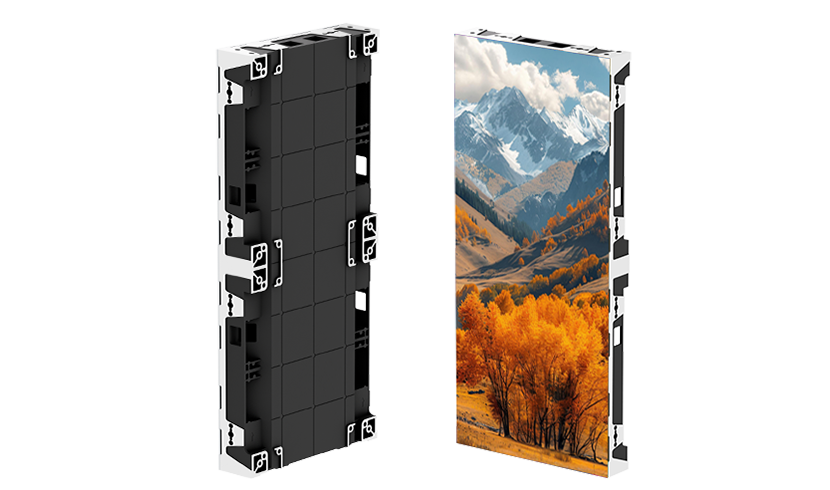
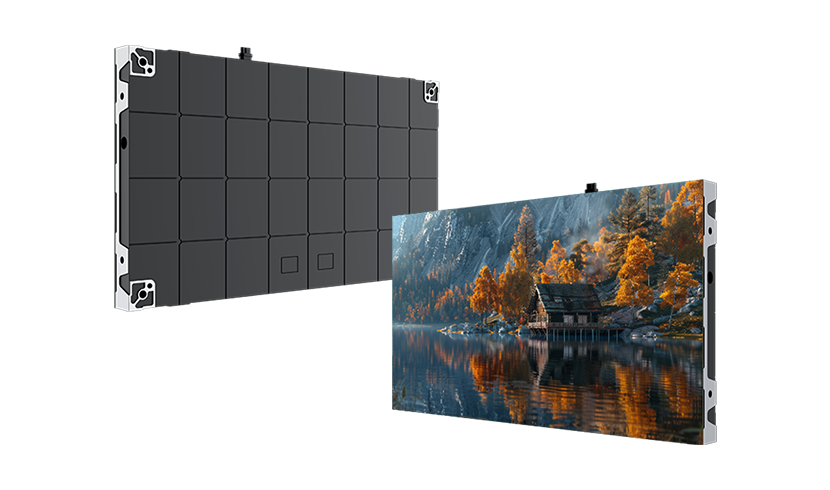
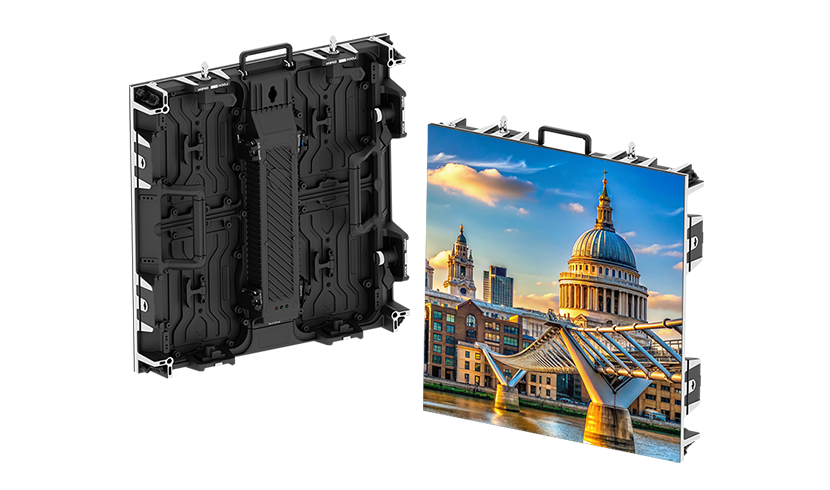
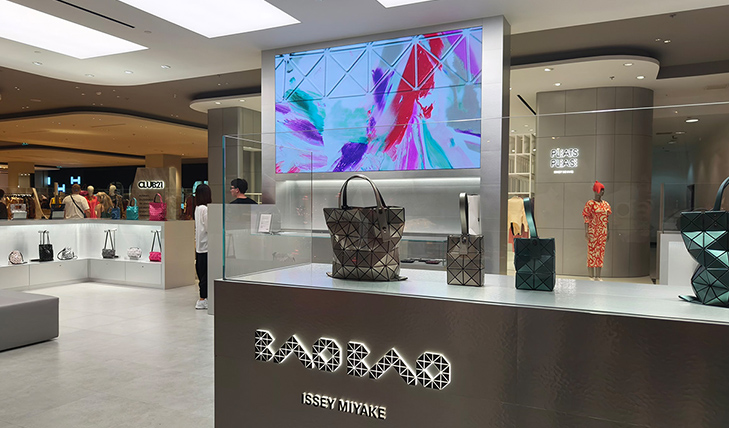
In indoor environments, retail is a primary application for LED poster displays. They are commonly deployed in high-traffic areas such as mall atriums, store entrances, and near checkout counters. These high-definition indoor LED poster displays range in size from 32 to 100 inches and typically use modules with pixel pitches from P0.9 to P4. Featuring capabilities like split-screen display and scheduled playback, they can continuously loop product information and promotions. When integrated with infrared (IR) touch technology, they can also function as interactive kiosks for customer inquiries, significantly enhancing the customer experience.
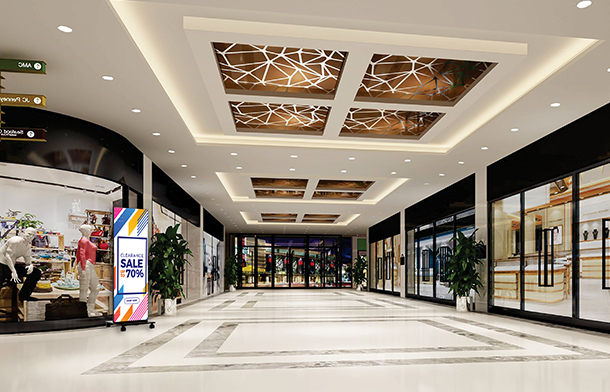
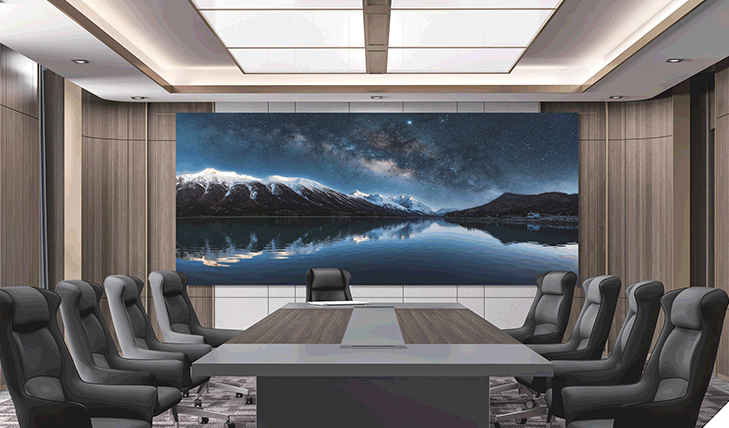
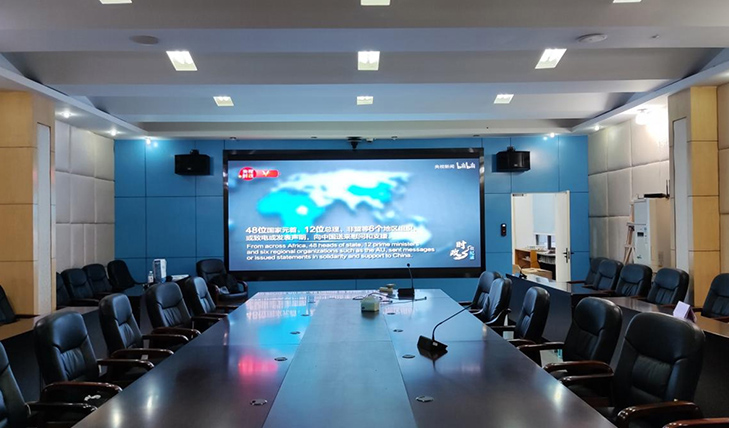
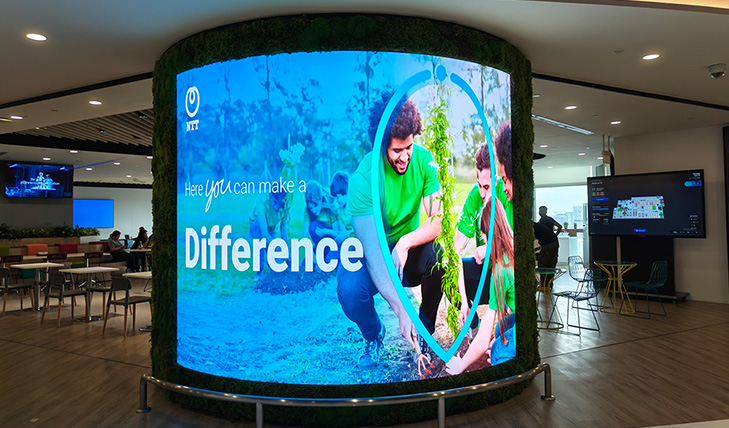
Additionally, smaller LED poster displays in office building lobbies and by elevators primarily serve corporate communication purposes. These often feature energy-efficient modules, are calibrated for indoor lighting conditions, and require minimal maintenance.
For outdoor applications, technical suitability is crucial, focusing on durability and performance in challenging conditions. Key considerations include weather resistance (waterproof, sunlight-resistant) and anti-interference capabilities.
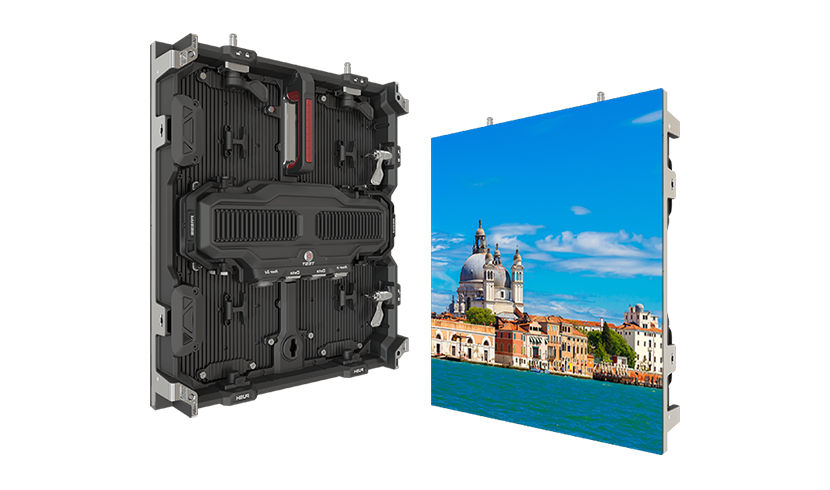
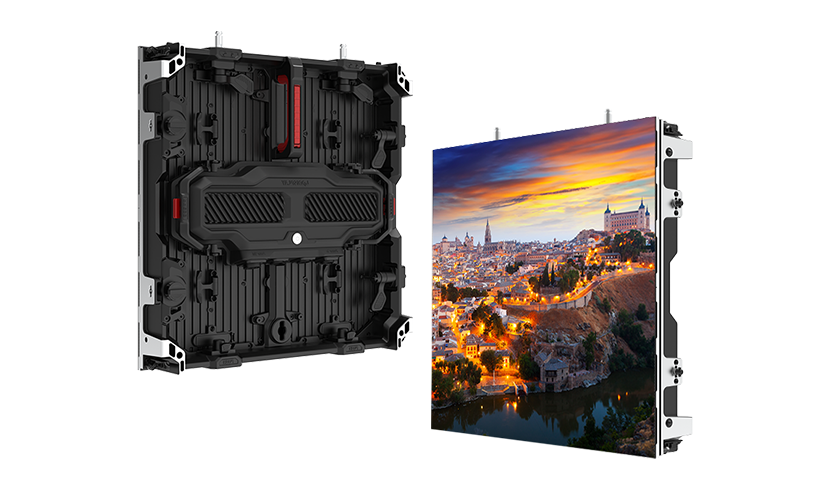
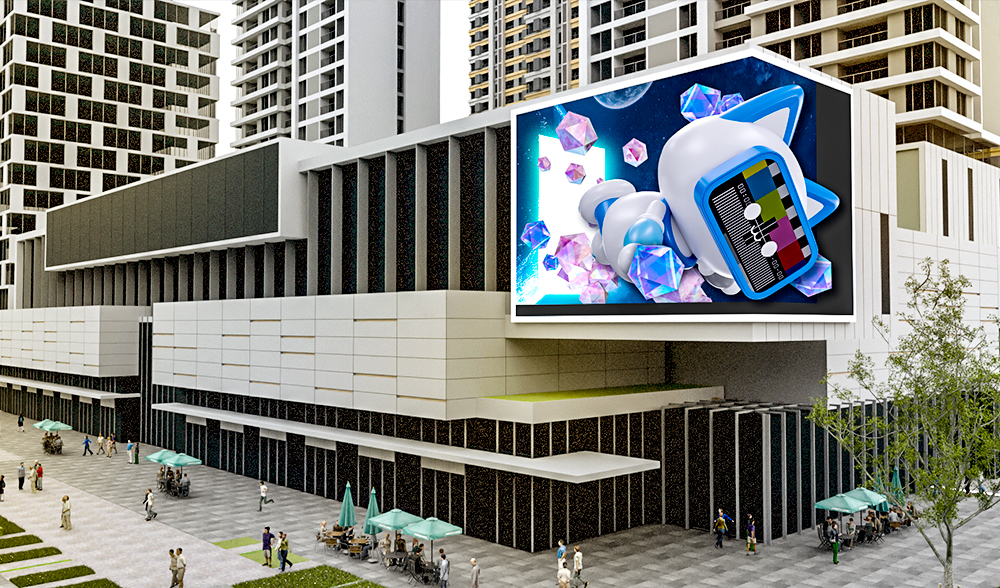
Outdoor LED poster displays in public squares, pedestrian streets, and transportation hubs (e.g., high-speed rail stations, bus terminals) require an IP65 rating or higher. They are equipped with high-brightness modules (typically ≥4000 nits) to remain clearly visible against direct sunlight and withstand harsh weather like heavy rain. These are primarily used for brand advertising and public service announcements.
For much larger applications, such as the large-scale digital billboards located alongside highways and national roads, modules with pixel pitches ranging from P1.5 to P10 are used. Their design prioritizes wide viewing angles and excellent long-distance visibility, making them ideal for mass communication over a large area.
Specialized scenarios demand even more stringent technical requirements.
Tourism and Cultural Sites: In these locations, LED poster displays must adapt to complex outdoor lighting while maintaining an aesthetic that blends with the surroundings. Customized sizes are often used for visitor navigation, interactive maps, and cultural exhibits.
Hospitals and Schools: In sensitive environments like these, LED poster displays with low blue light output, low-noise operation, and adjustable brightness are preferred to avoid visual discomfort or disruption.
Industrial Facilities: For factory floors and industrial zones, LED poster displays need to be dust-proof and resistant to electromagnetic interference (EMI) to reliably convey critical safety warnings and production updates.
In summary, the applications for LED poster displays span numerous sectors, including retail, transportation, tourism, and healthcare. The key to a successful deployment is matching the display’s technical specifications—such as module type, brightness, and IP rating—to the specific lighting, environment, and functional needs of the application. Understanding these technical considerations for each scenario is essential to fully leverage the LED poster display's visual power and maximize communication effectiveness.


 中文
中文 日本語
日本語 Русский
 Español
 Deutsch
 français
 اللغة العربية