


 English
2026.07.14
With the full arrival of the 4K/8K Ultra-HD era, the demands for image quality in large indoor screens and high-end displays have soared to unprecedented heights. Among the many cutting-edge technologies, Mini LED and Micro LED are undoubtedly the two most prominent stars. Although both rely on microscopic LED chips at their core, they each possess unique strengths in terms of technical maturity and application pathways. So, in this future-facing showdown of display technologies, who will truly dominate the indoor display market?
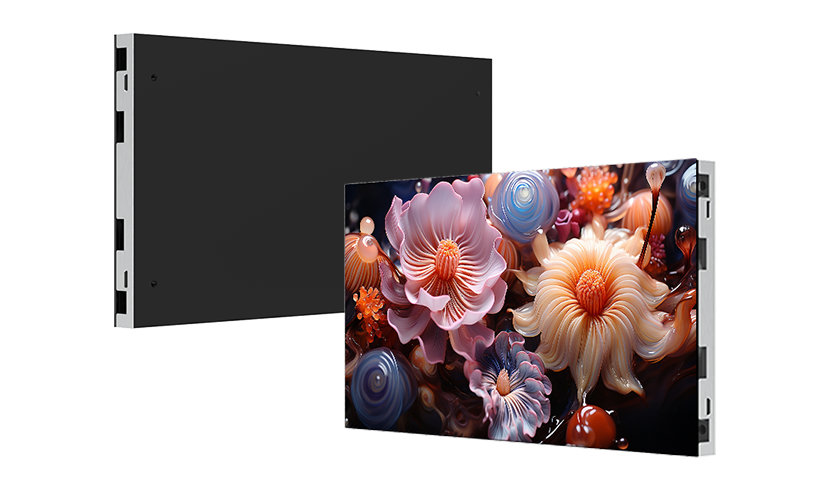
To discover who the future king will be, we must first clarify their working principles. Currently, mainstream Mini LED (sub-millimeter light-emitting diode) technology primarily serves as an advanced backlighting solution for Liquid Crystal Displays (LCDs). By utilizing tens of thousands of independent local dimming zones, it drastically enhances image contrast; alternatively, it can be used directly in ultra-fine-pitch direct-view large screens.
From a hardware standpoint, size disparities are the most intuitive metric separating the two. Mini LED chips generally measure between 100 and 200 micrometers, while Micro LED chips shrink to under 100 micrometers—sometimes even below 50 micrometers—making them as tiny as grains of sand.
This massive leap in scale translates directly into significant contrast and brightness variations. Thanks to multi-zone, micron-level light control, Mini LED can already deliver exceptional brightness and incredibly deep black levels. However, because Micro LED achieves true, independent pixel-level dimming, its contrast ratio can theoretically reach infinity (yielding perfect blacks). Coupled with superior peak brightness, Micro LED delivers unparalleled clarity and depth when rendering HDR content.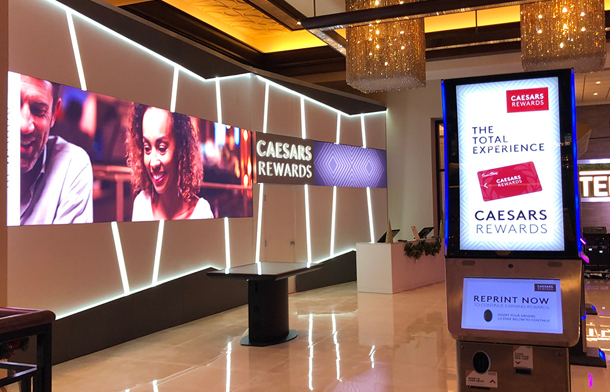
In real-world indoor viewing scenarios, viewing angle variations and lifespan discrepancies are equally critical indicators of a technology's merit. Due to the physical limitations of packaging structures or liquid crystal panels, Mini LED direct-views or backlights may experience slight color shifting or blooming (backlight bleeding) when viewed from extreme angles.
In contrast, as a self-emissive technology, Micro LED projects light directly outward, offering an ultra-wide viewing angle of nearly 180 degrees that maintains consistent color and brightness from any perspective. Regarding durability, both utilize inorganic semiconductor materials, giving them a natural resistance to burn-in. Nevertheless, Micro LED features a more streamlined architecture and superior heat dissipation, granting it a stronger theoretical lifespan perfectly suited for the rigorous demands of 24/7 indoor operation.
These distinct technical profiles dictate their current application differences. Today, Mini LED technology is highly mature, with mass-production costs falling sharply. It has become the absolute backbone of the consumer electronics market, widely adopted in high-end laptop backlighting, esports monitors, and premium TVs.
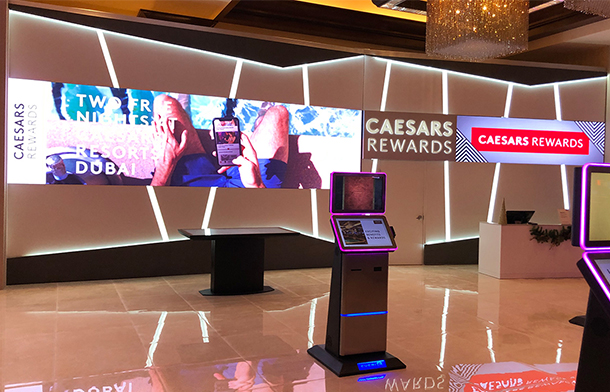
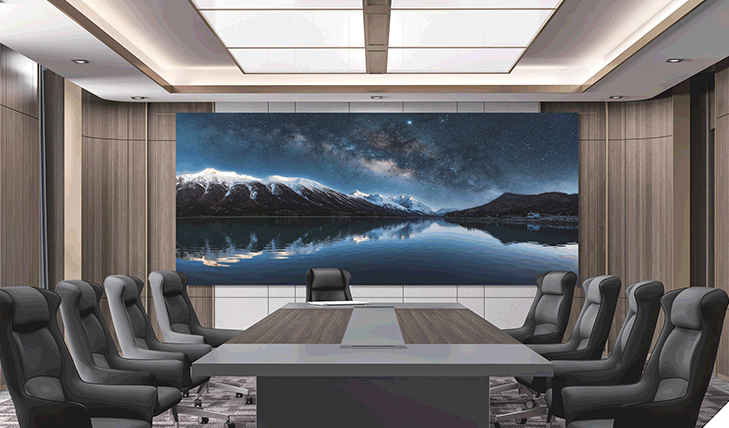
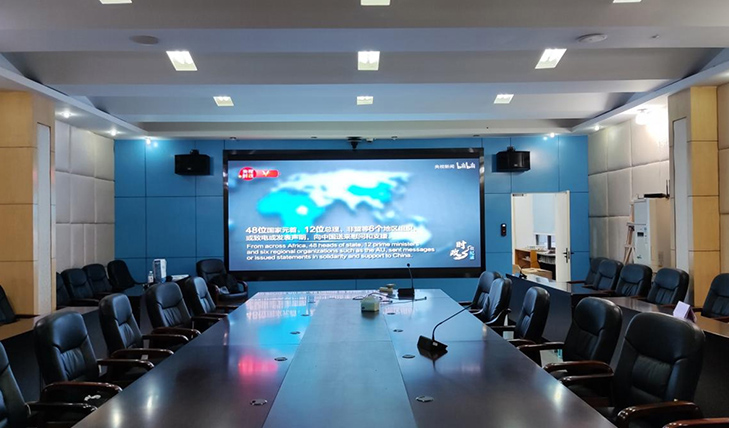
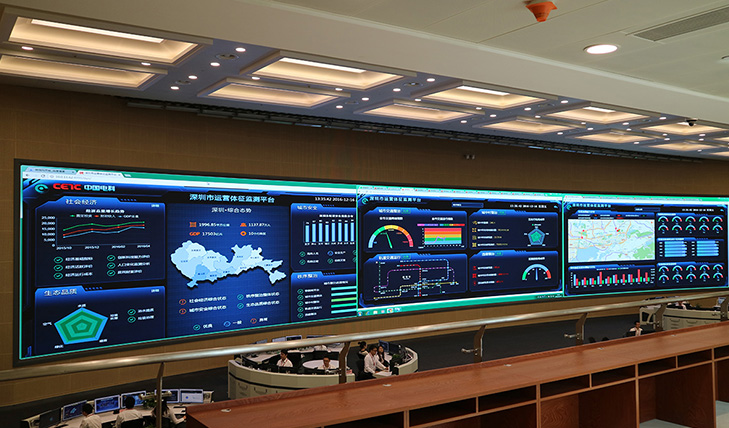
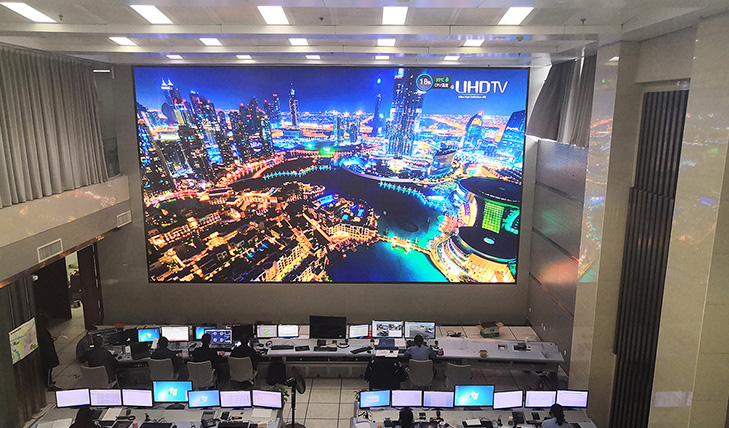
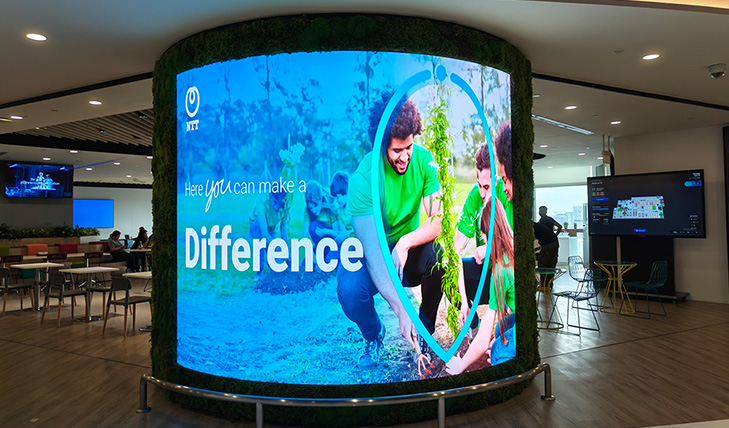
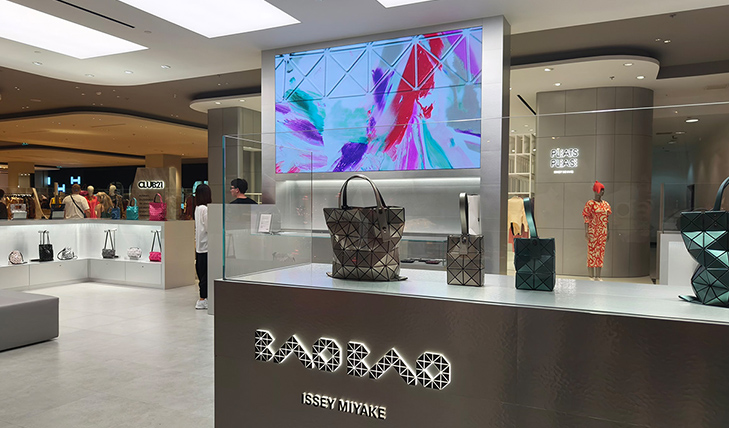
Conversely, Micro LED represents the next generation of display technology. It inherits the high efficiency, extreme brightness, robust reliability, and ultra-fast response times of inorganic LEDs, while boasting self-emissive properties that eliminate the need for a backlight. This makes it incredibly compact, thin, and energy-efficient. Currently, Micro LED displays are primarily carving out a niche in emerging "blue ocean" markets, such as indoor corporate conference rooms, high-end retail environments, and luxury home theaters.
In summary, Mini LED and Micro LED are not locked in a mutually exclusive rivalry; rather, they represent two vital sequential stages in the evolution of display technology. For now and the next few years, Mini LED—with its mature manufacturing processes and excellent cost-performance ratio—is undeniably the optimal solution for mainstream premium indoor displays. Meanwhile, Micro LED, with its ultimate physical attributes and flawless picture quality, stands as the definitive form of display technology. It is highly foreseeable that as manufacturing bottlenecks dissolve and production costs drop, Micro LED will inevitably take the baton from Mini LED to become the undisputed ruler of indoor displays.


 中文
中文 日本語
日本語 Русский
 Español
 Deutsch
 français
 اللغة العربية