





 English
2026.04.27
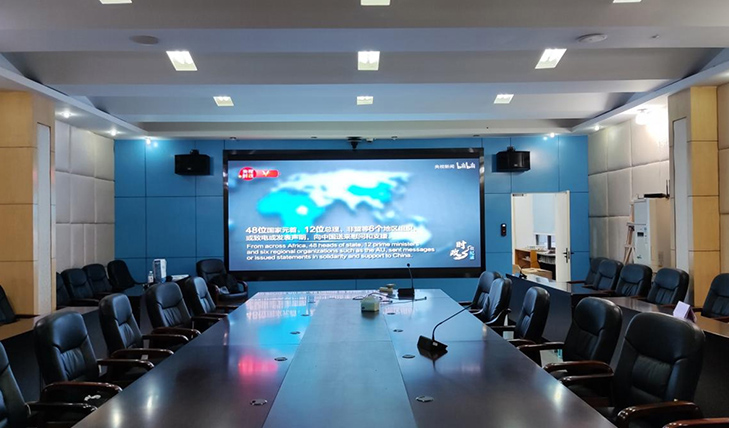
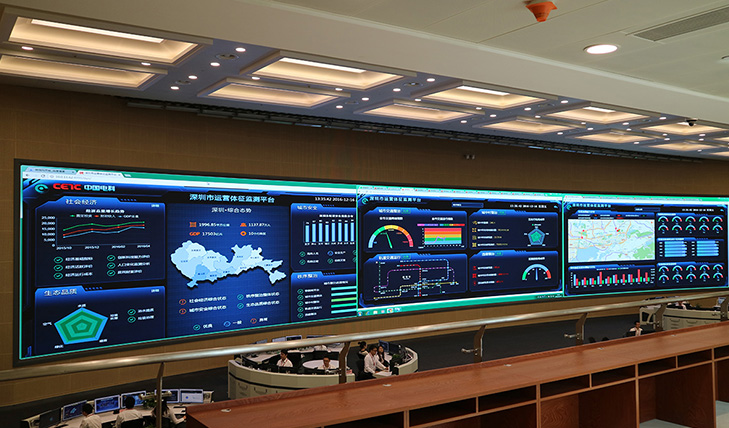
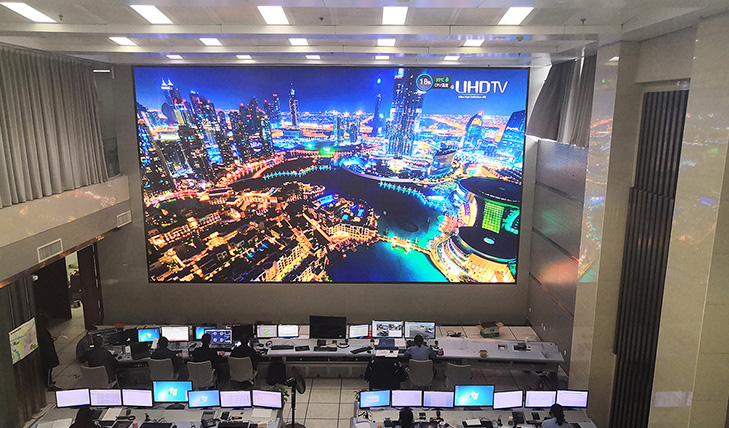
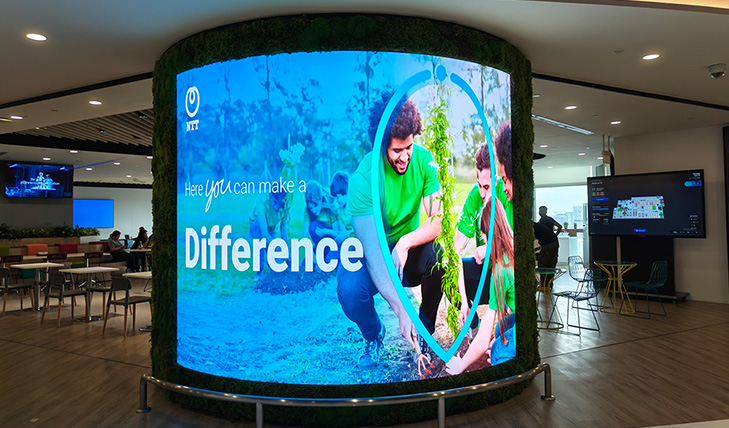
Indoor LED displays are widely used in conference rooms, exhibition halls, shopping malls and other scenarios. Once a malfunction occurs, repair cost becomes the top concern for users. Understanding the cost composition, common faults and quotation ranges can help you quickly assess repair expenses and avoid unnecessary spending.
There is no fixed pricing standard for indoor LED display repairs, which are mainly affected by four key factors. Fault type serves as the core factor, with a noticeable price gap between simple circuit issues and core component damage. Repair difficulty determines working hours; displays with complex installation structures and larger sizes are more difficult and time-consuming to repair. Parts cost accounts for a large proportion of the total price, and accessories such as power supplies, receiving cards, modules, power cords and network cables directly affect the overall expense. Service methods also lead to price differences, with additional charges for on-site service and emergency repairs.
Frequent faults of indoor LED displays during use fall into three main categories. Black screen is the most common issue, usually caused by power failure, loose flat cables or abnormal signals. Abnormal color problems such as color deviation and screen distortion are mainly triggered by damaged lamp beads, faulty driver ICs and unstable signals. Partial blackout is generally resulted from damaged modules and poor flat cable contact. Most of these problems can be inspected and fixed with module replacement on-site. Minor faults can be quickly resolved with remote guidance from indoor LED display manufacturers, greatly saving users’ time and repair costs.
Based on market rates, indoor LED display repairs can be divided into three pricing tiers. Minor faults including power cord, network cable and power supply replacement cost about 100 to 500 dollars. Medium faults such as single module, driver board and control card replacement are priced at 500 to 2,000 dollars. Complex repairs involving large-area module replacement and core circuit board maintenance cost more than 1,000 dollars. The above prices only cover parts replacement; labor fees, taxes and other additional charges may apply in actual service.
When a fault occurs, prioritize contacting the after-sales team of the original manufacturer or local professional maintenance teams. Confirm the specific fault through inspection and compare multiple quotations before maintenance to avoid blind accessory replacement. Daily maintenance work including dust prevention, moisture-proof treatment and regular inspection can effectively reduce the failure rate. For non-human-induced malfunctions within the warranty period, users are entitled to free manufacturer maintenance to control long-term operating costs.
In conclusion, the repair cost of indoor LED displays is transparent and manageable. Simple faults can be solved manually, while complex failures may cost thousands of yuan. A clear understanding of cost influencing factors, common malfunctions and price ranges helps users make rational decisions and ensure the long-term stable operation of LED displays.


 中文
中文 日本語
日本語 Русский
 Español
 Deutsch
 français
 اللغة العربية