




 English
2026.04.16
When selecting an indoor LED display, many customers fall for the common misconception that "higher brightness equals better quality." They often chase high brightness specifications while overlooking the practical requirements of indoor environments and the actual user experience. In reality, brighter isn't always better. The guiding principle for choosing the right indoor LED display is to match its brightness to the application, creating a perfect balance between visual quality and practicality.
Indoor lighting is typically much more subdued than the direct, harsh sunlight of outdoor settings. In this context, an overly bright display can cause more harm than good.
Visual Discomfort and Eye Strain: Staring at an excessively bright screen for extended periods can overstimulate the retina, leading to eye fatigue, dryness, and even a decline in vision. This discomfort is especially pronounced in settings like conference rooms and broadcasting studios, where viewers are focused on the screen for long durations, ultimately degrading the user experience.
Increased Energy Consumption and Costs: An LED display's brightness is directly proportional to its power consumption. The brighter the screen, the more energy it uses, which significantly drives up long-term operational costs. Furthermore, running a display at peak brightness accelerates the aging of its LED chips, shortening the unit's overall lifespan. This leads to higher maintenance and replacement costs, making it a poor investment in the long run.
The ideal brightness for an indoor LED display should be tailored to its specific environment. Here are some general guidelines:
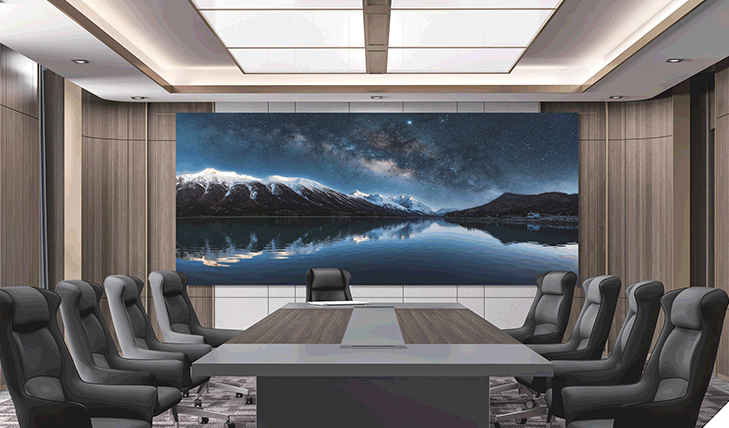
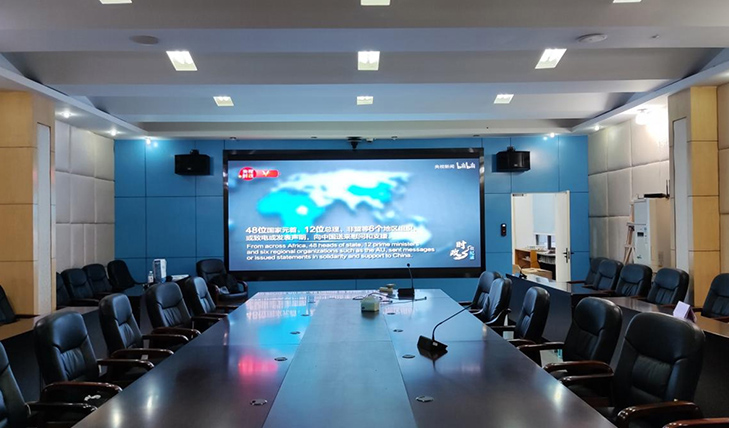
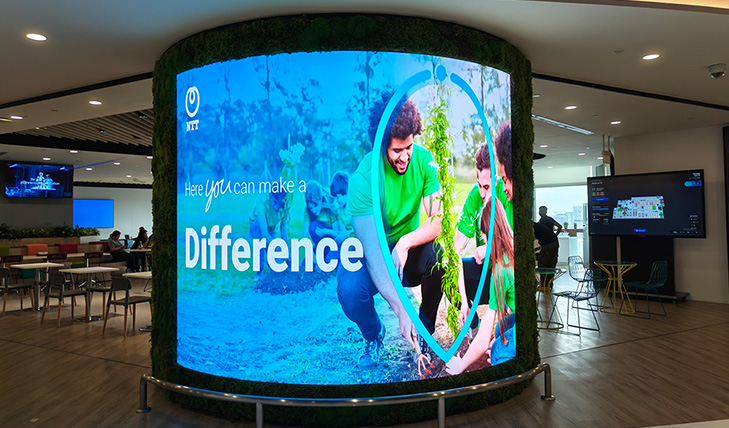
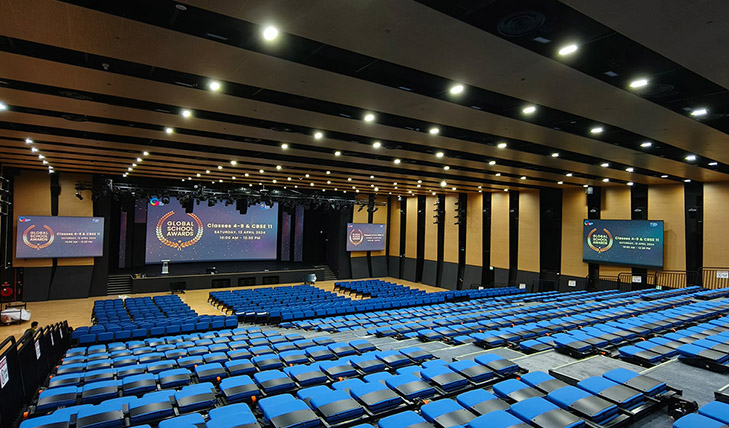
Standard Offices and Conference Rooms: For typical indoor spaces with controlled lighting, a brightness of 400-800 cd/m² (nits) is generally sufficient for clear, comfortable viewing.
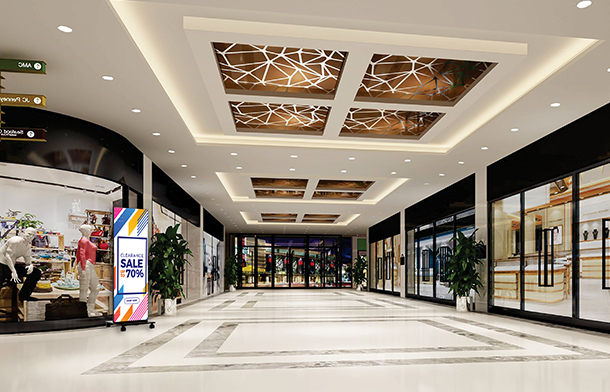
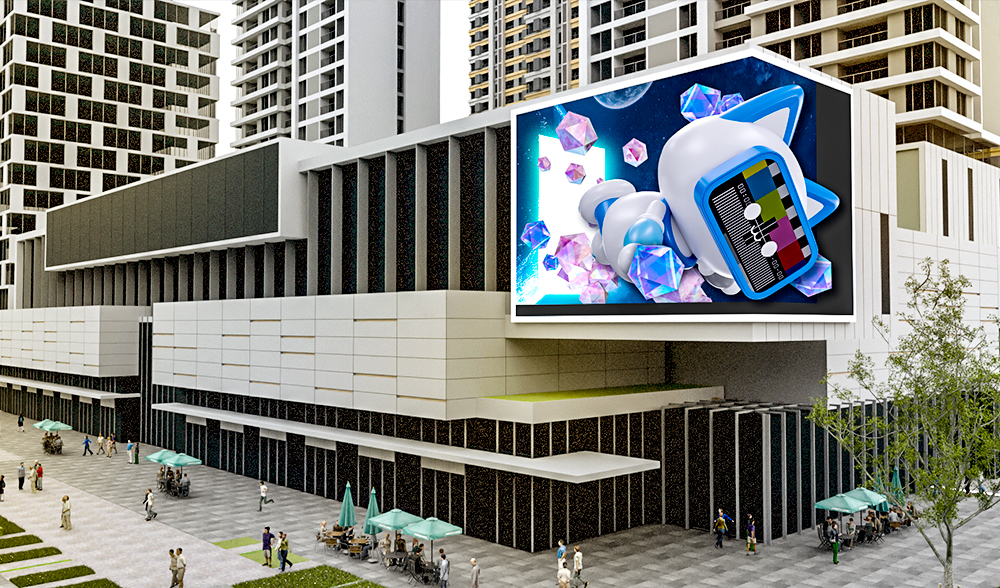
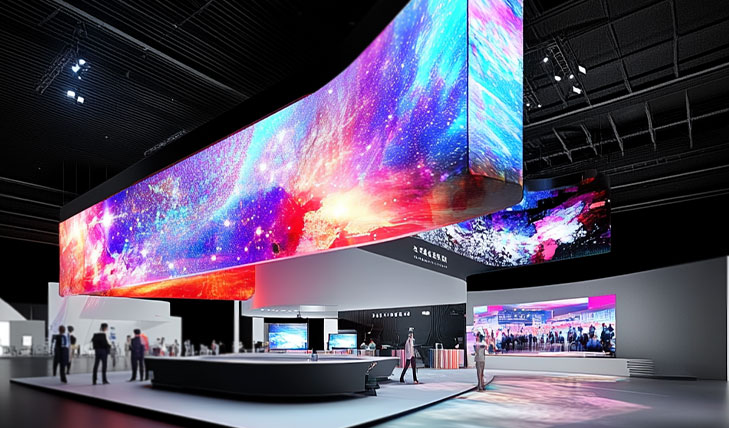
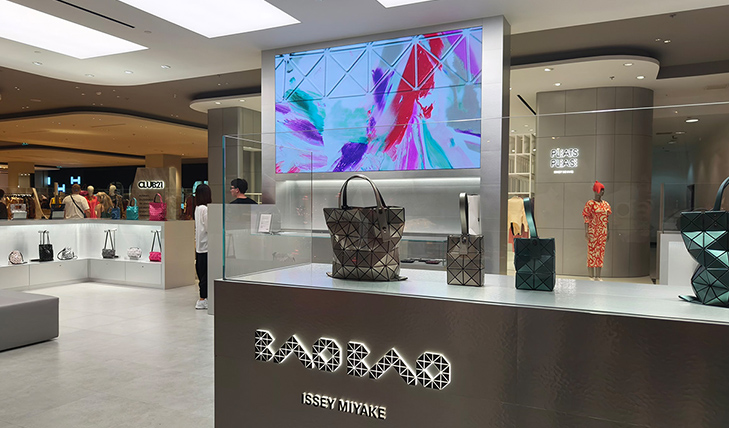
Shopping Malls and Exhibition Halls: In brighter, more dynamic environments with significant ambient light, a slightly higher range of 600-1,200 cd/m² is more appropriate to ensure the display remains vibrant.
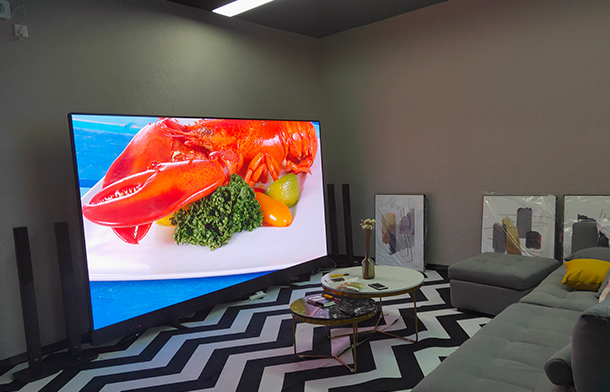
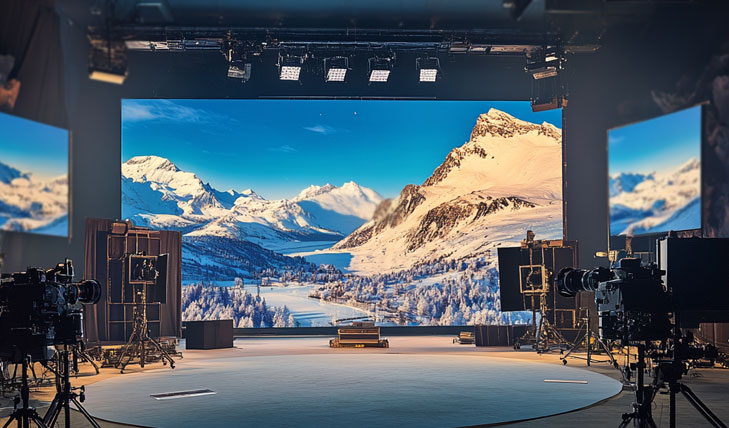
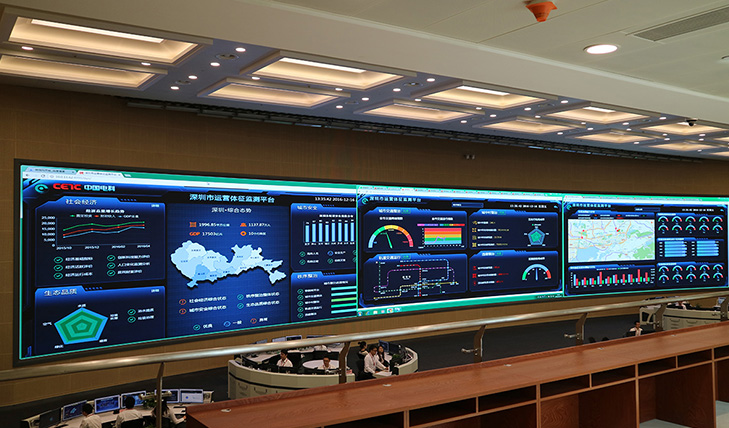
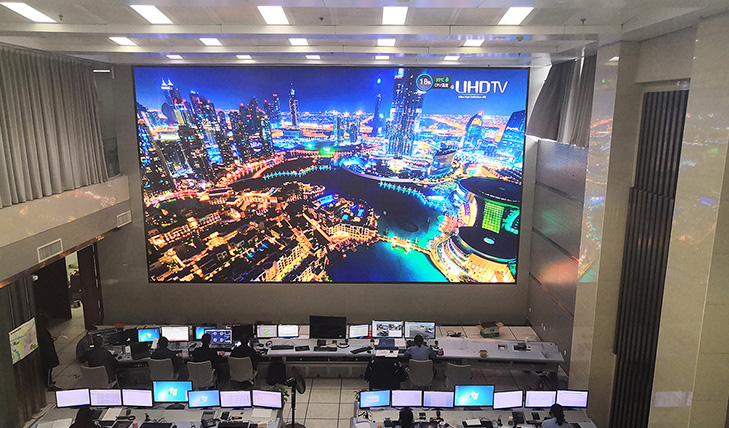
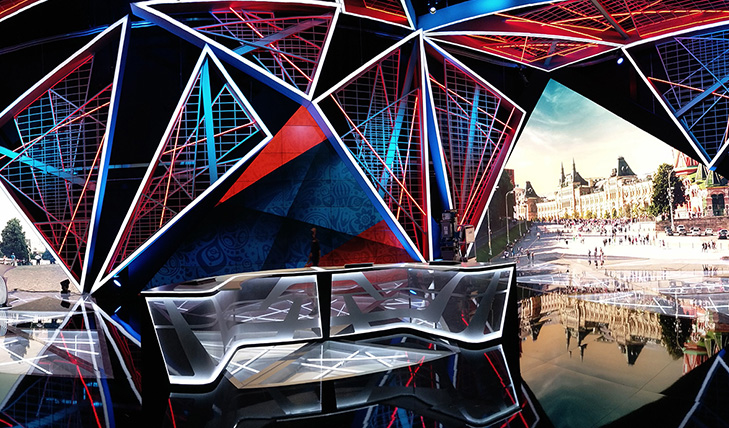
Broadcasting Studios and High-End Showrooms: In professional settings where image quality is paramount, the focus shifts beyond just brightness. Here, factors like color accuracy and brightness uniformity become critical. The goal is to achieve superior visual performance, not simply to maximize the nit rating.
In summary, choosing the brightness of an indoor LED display should be guided by the principle of "suit the environment, prioritize the experience." Blindly pursuing the highest brightness specification is a recipe for wasted resources and a subpar viewing experience. When making your selection, carefully consider the ambient lighting, average viewing distance, and intended duration of use. Opting for a product with a moderate, appropriate brightness and stable image quality is the key to achieving a win-win balance of performance, practicality, and cost-effectiveness.


 中文
中文 日本語
日本語 Русский
 Español
 Deutsch
 français
 اللغة العربية